- English
- 简体中文
- Esperanto
- Afrikaans
- Català
- שפה עברית
- Cymraeg
- Galego
- 繁体中文
- Latviešu
- icelandic
- ייִדיש
- беларускі
- Hrvatski
- Kreyòl ayisyen
- Shqiptar
- Malti
- lugha ya Kiswahili
- አማርኛ
- Bosanski
- Frysk
- ភាសាខ្មែរ
- ქართული
- ગુજરાતી
- Hausa
- Кыргыз тили
- ಕನ್ನಡ
- Corsa
- Kurdî
- മലയാളം
- Maori
- Монгол хэл
- Hmong
- IsiXhosa
- Zulu
- Punjabi
- پښتو
- Chichewa
- Samoa
- Sesotho
- සිංහල
- Gàidhlig
- Cebuano
- Somali
- Тоҷикӣ
- O'zbek
- Hawaiian
- سنڌي
- Shinra
- Հայերեն
- Igbo
- Sundanese
- Lëtzebuergesch
- Malagasy
- Yoruba
- Español
- Português
- русский
- Français
- 日本語
- Deutsch
- tiếng Việt
- Italiano
- Nederlands
- ภาษาไทย
- Polski
- 한국어
- Svenska
- magyar
- Malay
- বাংলা ভাষার
- Dansk
- Suomi
- हिन्दी
- Pilipino
- Türkçe
- Gaeilge
- العربية
- Indonesia
- Norsk
- تمل
- český
- ελληνικά
- український
- Javanese
- فارسی
- தமிழ்
- తెలుగు
- नेपाली
- Burmese
- български
- ລາວ
- Latine
- Қазақша
- Euskal
- Azərbaycan
- Slovenský jazyk
- Македонски
- Lietuvos
- Eesti Keel
- Română
- Slovenski
- मराठी
- Srpski језик


Why Choose a Leather Wallet?
Article Summary
A leather wallet is more than a daily accessory—it is a practical tool that reflects durability, organization needs, and personal style. This article explores how a leather wallet addresses common user concerns such as longevity, functionality, material quality, and everyday usability. It also explains how to evaluate different leather wallet options and make informed purchasing decisions based on real-world use.
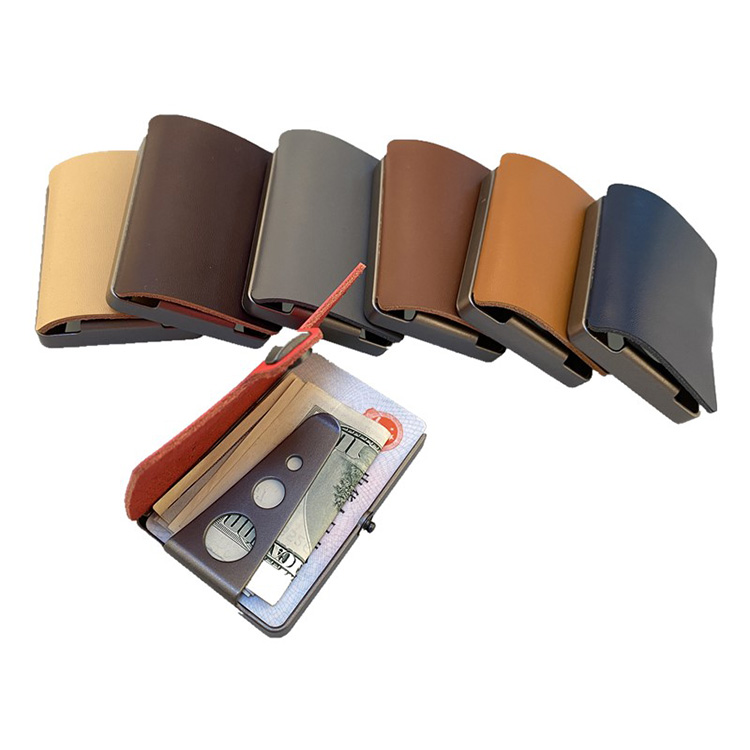
Table of Contents
- Understanding Everyday Wallet Challenges
- What Makes Leather a Preferred Material
- Key Types of Leather Wallets
- Material Comparison and Performance Table
- Functional Features That Matter
- How to Choose the Right Leather Wallet
- Care and Maintenance Basics
- Frequently Asked Questions
- Conclusion and Next Steps
Understanding Everyday Wallet Challenges
Many consumers experience recurring issues with wallets, including limited storage, rapid material wear, uncomfortable pocket fit, and poor internal organization. Over time, these problems affect daily convenience and even personal security.
A well-designed leather wallet addresses these concerns by offering structural integrity, balanced flexibility, and consistent performance over extended use. The objective is not only to store essentials but to ensure ease of access and long-term reliability.
What Makes Leather a Preferred Material
Leather has been widely used for personal accessories due to its natural strength and adaptability. Unlike synthetic materials, leather develops character over time rather than degrading abruptly.
- Natural resistance to tearing and stretching
- Ability to maintain shape under daily pressure
- Comfortable texture that improves with use
- Visual aging that adds character instead of damage
These characteristics make a leather wallet suitable for both professional and casual environments, offering consistent performance without frequent replacement.
Key Types of Leather Wallets
Leather wallets are available in multiple formats, each designed for specific usage scenarios. Understanding these categories helps narrow down the most practical option.
- Bifold Wallets: Balanced storage and slim profile for everyday carry
- Trifold Wallets: Increased card capacity with structured organization
- Minimalist Wallets: Reduced bulk for essential-only users
- Long Wallets: Designed for bills and cards without folding
Each type supports different lifestyle needs, from business travel to daily commuting.
Material Comparison and Performance Table
| Material Type | Durability | Aging Behavior | Comfort Level |
|---|---|---|---|
| Genuine Leather | High | Develops natural patina | Softens over time |
| Synthetic Materials | Medium | Surface cracking | Limited flexibility |
| Fabric Wallets | Low | Fraying and fading | Lightweight but unstable |
Functional Features That Matter
A leather wallet should be evaluated based on internal structure rather than appearance alone. Practical design features directly affect daily usability.
- Clearly separated card slots to prevent overlap
- Secure cash compartment for flat storage
- Reinforced stitching at stress points
- Slim profile to reduce pocket strain
Brands such as Bohong focus on aligning these functional elements with refined material selection to ensure consistency in daily use.
How to Choose the Right Leather Wallet
Selecting a leather wallet requires an understanding of personal habits and long-term expectations. The following considerations help guide the decision-making process:
- Number of cards carried daily
- Preference for compact or expanded storage
- Usage environment (business, travel, casual)
- Expectation for long-term wear appearance
A wallet that aligns with these factors reduces replacement frequency and improves daily efficiency.
Care and Maintenance Basics
Proper maintenance extends the lifespan of a leather wallet and preserves its structure. Basic care practices include:
- Avoid prolonged exposure to moisture
- Clean gently with a dry or lightly damp cloth
- Store away from direct heat sources
- Condition leather periodically if needed
Consistent care ensures that leather retains its flexibility and appearance over time.
Frequently Asked Questions
What is the typical lifespan of a leather wallet?
With regular use and basic care, a quality leather wallet can remain functional for several years without structural failure.
Does leather stretch over time?
Leather adapts slightly to contents but retains its form when properly constructed and not overfilled.
Is a leather wallet suitable for daily use?
Yes. Leather wallets are designed to withstand daily handling, friction, and pressure while maintaining comfort.
Conclusion and Next Steps
A leather wallet provides a balanced solution to common everyday carry challenges by combining durability, structure, and long-term usability. When designed with attention to material quality and internal organization, it becomes a reliable companion rather than a disposable accessory.
Bohong continues to focus on practical leather wallet designs that align with real-world usage needs. To explore available options or discuss specific requirements, contact us today and discover a leather wallet solution built for everyday confidence.